Conversation Advance · Module 13 · Unit 62
Effects of Sleep on Health
 Pre C2 Proficient
Learning Objectives
In this lesson, you will discuss the effects of sleep on health and learn practical vocabulary for daily communication.
Discussion
- How do you feel after a bad night of sleep?
- Do you think your health depends heavily on your sleep quality?
- Is it possible to recover from being zonked with just one good night of rest?
New Words & Expressions
Cognitive
adjective/ˈkɒɡnɪtɪv/
Meaning:Relating to the mental processes of thinking and understanding.
Poor sleep can severely impair your cognitive functions.
Real Life Tip:
Often discussed in the context of brain health and aging.
Immunity
noun/ɪˈmjuːnɪti/
Meaning:The ability of an organism to resist a particular infection.
Getting enough sleep is essential for a strong immune system.
Real Life Tip:
A very common topic in modern wellness culture.
Burn out
phrasal verb/bɜːrn aʊt/
Meaning:To become exhausted and unable to function due to overwork.
If you do not rest, you will eventually burn out.
Real Life Tip:
Widely used to describe professional exhaustion.
On edge
idiom/ɒn edʒ/
Meaning:Feeling nervous or tense.
I am always on edge when I have not slept well.
Real Life Tip:
Describes the emotional toll of fatigue.
Dozing off
slang/ˈdoʊzɪŋ ɔːf/
Meaning:Falling into a light sleep unintentionally.
I was dozing off during the lecture because I was so tired.
Real Life Tip:
Commonly used to describe lack of focus.
Conversation
Direction:
- Listen carefully as your teacher reads the conversation aloud.
- Role-play the conversation with your teacher
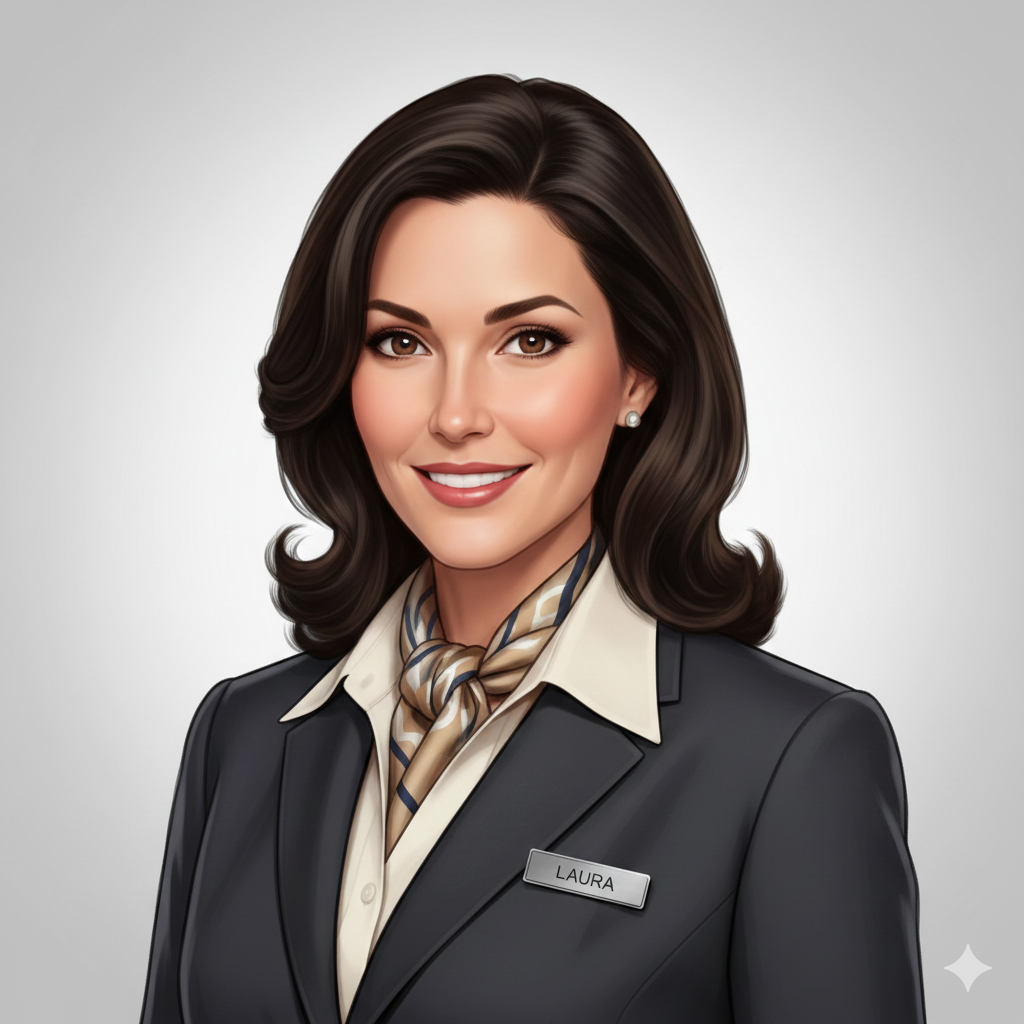 SarahI feel like I am going to burn out if I do not get more rest.
 JamesYou definitely look exhausted. Your cognitive focus is dropping too.
- SarahI know. I keep dozing off at my desk, and I feel so on edge.
Q&A
- Why is Sarah worried about burning out?
- How is the lack of sleep affecting Sarah at work?
- What does James recommend to help Sarah?
Exercise
What is cognitive function?
What does being on edge mean?
Lack of sleep hurts your ____.
I keep ____ off during my meetings.
burn / you / out / will
edge / I / on / am
Ask Your Teacher
- How do you protect your cognitive health when you are busy?
- What do you do to boost your immunity when you feel tired?
- Have you ever felt close to burning out?
Your Time To Speak
- Is it normal to feel on edge after one night of bad sleep?
- Can exercise compensate for lack of sleep?
- How can I stop dozing off during the day?
- Are supplements effective for improving immunity?
- How do I know if I am starting to burn out?
- Does cognitive decline happen only when you are old?
- What is the best way to explain your fatigue to a boss?
- Should I change my diet to improve my sleep?
- How many hours of sleep are enough for a healthy immunity?
- Is mental fatigue worse than physical fatigue?