Conversation Intermediate · Module 13 · Unit 61
Personal Safety Tips
 Pre B2 Intermediate
Learning Objectives
In today s lesson, you will talk about personal safety tips and learn useful vocabulary that you can use in everyday life.
Discussion
- Do you usually feel safe walking alone at night?
- What is one safety rule you follow without thinking?
- Have you ever had to be extra cautious in a new place?
New Words & Expressions
Awareness
noun/əˈwernəs/
Meaning:Knowledge or perception of a situation or fact.
Always maintain situational awareness in crowds.
Real Life Tip:
Essential concept in urban safety.
Precaution
noun/prɪˈkɔːʃən/
Meaning:An action taken in advance to prevent something bad.
Locking your door is a simple safety precaution.
Real Life Tip:
Often discussed when traveling.
Look out
phrasal verb/lʊk aʊt/
Meaning:To be vigilant or watch for danger.
You need to look out for each other on this trip.
Real Life Tip:
Common phrase for looking after friends.
Better safe than sorry
idiom/ˈbetər seɪf ðæn ˈsɔːri/
Meaning:It is better to be careful than to risk danger.
I will bring an extra map; better safe than sorry.
Real Life Tip:
A very common American proverb.
Sketchy
slang/ˈsketʃi/
Meaning:Seeming suspicious or dangerous.
That alleyway looks a bit sketchy.
Real Life Tip:
Used to describe places or people.
Conversation
Direction:
- Listen carefully as your teacher reads the conversation aloud.
- Role-play the conversation with your teacher
 JamesI am so excited to explore the city tonight!
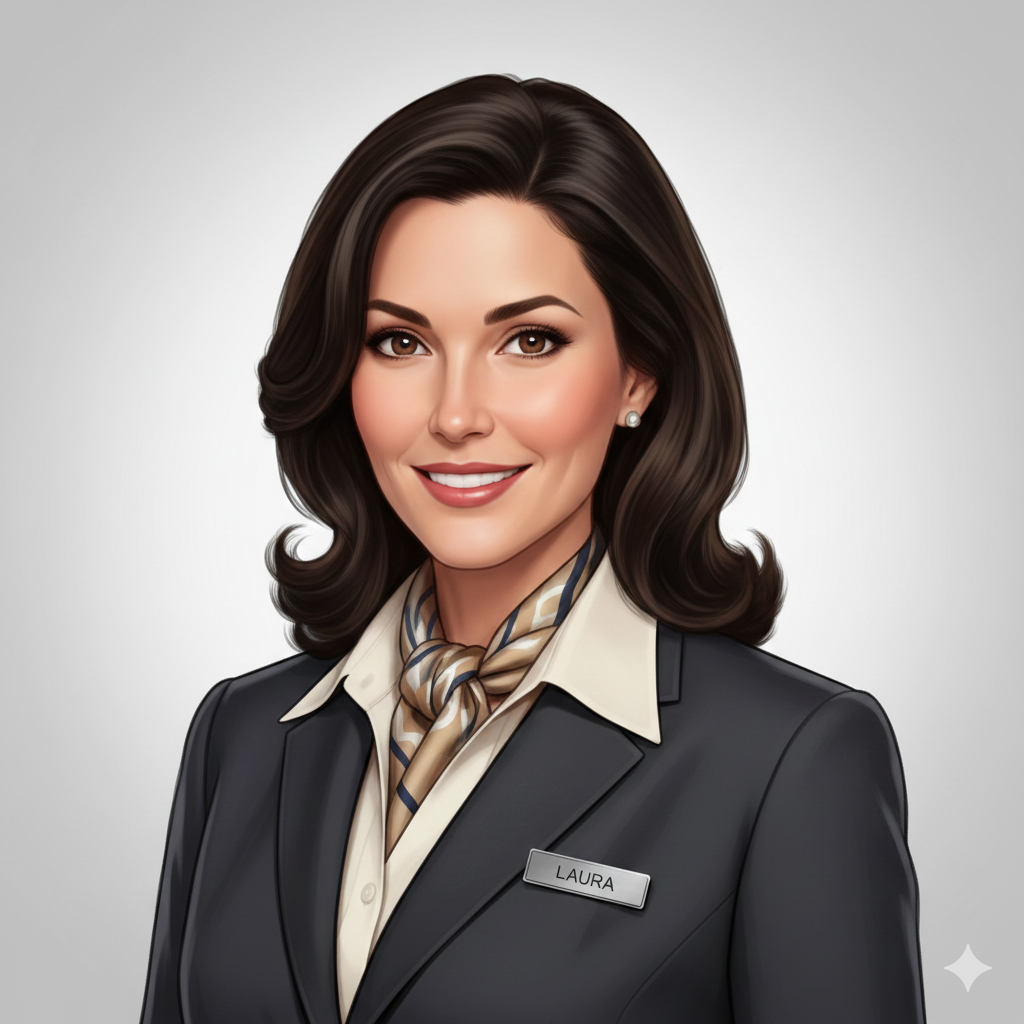 SarahJames, we need to take a precaution and stick to busy streets.
- JamesYou are always so worried. It is perfectly fine.
Q&A
- Why does Sarah want to stick to busy streets?
- What does James agree to do for Sarah?
- How does Sarah describe the street she sees?
Exercise
If something is sketchy, it is ____.
What is a precaution?
Always ____ out for trouble.
You need to maintain situational ____.
safe / sorry / better / than
is / sketchy / that / place
Ask Your Teacher
- What is the best way to maintain awareness?
- Is it better safe than sorry?
- Why do we avoid sketchy areas?
Your Time To Speak
- How do you stay safe?
- Do you use precautions?
- Are you aware of your surroundings?
- Have you seen a sketchy place?
- Why is it better safe than sorry?
- Do you look out for friends?
- Is walking at night safe?
- What do you do if you feel unsafe?
- Do you plan your routes?
- Are you a cautious traveler?